
Monday, June 1, 2009
Spuds and Buds: The Story of Spuds McKenzie and The Bud Bowl
Anyone growing up in the 80s remembers Anheuser-Busch’s Original Party Animal, Spuds McKenzie. Originally appearing in a 1987 Super Bowl commercial for Bud Light, he’s always accompanied by three beautiful “Spudettes” and is always the center of attention.
Calm, cool, collected, and never short on girls or beer, Spuds was completely likable and memorable and beer sales reflected it. The commercials were wildly successful showing Spuds dancing, high-diving, playing drums, pole vaulting, and even ski jumping. By 1988, he helped Bud Light, which was introduced in 1982, soar to the number 3 spot of all beer sold in the U.S. Most memorable (at least for me) was at the end of each commercial, one of the supermodels always had a suggestive compliment for Spuds, which he always took in stride. Good Boy!
Robin Leech (of the popular show ‘Lifestyles of the Rich and Famous’) provided the voice over’s, which contributed to the image of “living the good life”, not to mention the “coolness factor”.
The commercials with Spuds, who was actually a female Bull Terrier named Honey Tree Evil Eye, continued their popularity with millions of bottles of beer sold in American grocery stores along with countless t-shirts, glasses, mugs, key chains, and beach towels.
His extreme adoration, however, led to his demise. Mothers Against Drunk Driving began a nationwide protest against Anheuser-Busch claiming that Spuds popularity with children lead to an increase in under age drinking. Complaints were filed with the FCC and an investigation was launched. Although the FCC found no proof of Spuds delinquency of minors, the public relations damage had been done.
Anheuser-Busch began to fear that Spuds popularity and new notoriety may be overpowering the Bud Light brand. That, along with the MADD complaints, led to the decision to retire Spuds from commercials in 1989.
Looking for a replacement and a character that wouldn’t overshadow the product, Anheuser-Busch turned to the product itself and unveiled Bud Bowl I during the 1989 Super Bowl. These unique ads featured bottles of Bud Light and Budweiser playing each other in a football championship. The spots were created using expensive and time-consuming stop-motion photography. (This was before computers were technically advanced enough to handle this type of animation.) Each game provided lots of drama, last-second heroics, comedy, and, to the delight of Anheuser-Busch, hundreds of shots of the product.
Despite the intense labor and cost involved, the commercials were a huge hit and the consumer response from Bud Bowl I was an unprecedented 17% spike in Budweiser sales that month. The following year Bud Bowl II continued on the popularity and brought a spike of 19%. In 1992, Bud Bowl IV brought in an unbelievable 46% increase in grocery store sales.
Kitschy and cool, each year brought more game-within-the-game Bud Bowl commercials, characters, celebrities, and highlights. It was Anheuser-Busch’s most successful campaign ever. However, by 1999, consumers had become weary of the annual contest and Anheuser-Busch ended the campaign.
Later Super Bowls featured the Bud-weis-er Frogs and the “Whassup?!” guys. Each was extremely popular, instantly recognizable by a majority of Americans, and spawned numerous commercial sequels. But they failed where it mattered most, as neither managed to increase sales quite as well as Spuds and Bud Bowl did a few decades ago. Shortly after, the campaigns were ended.
So the search continues for Anheuser-Busch for the next great spokesperson, or frog, dog, or bottle, which will propel sales during the Super Bowl once again. Tune in next year!
Author: Marc Obregon, President, Accelerator Advertising, Inc.
www.resultsdriven.info

Thursday, May 7, 2009
Can Quality Creative Really be Crowdsourced?
Crowdsourcing creative is fast becoming a part of the design marketplace.
For those unfamiliar with crowdsourcing creative, it's a way of throwing out a project to a worldwide pool of persons who practice a particular discipline, say graphic design, and in return you get creative submissions from artists with a wide range of experience levels and talent. You choose which concepts to pay for and negotiate a price. The turnaround is fast, and you wind up with lots of submissions to choose from.
While at first glance, it may seem like a foolproof and cost-saving way to get your creative done, but there are a few pitfalls you will want to avoid.
Get genuine original creative. When you crowdsource, you never know from where the artist or writer drew his/her "inspiration". Be sure to have the artists certify in writing that the materials they provide to you are original to them. When in doubt, make sure your legal team earns their keep.
Not all submissions can be treated as equal. You may receive submissions from a hack, to an art school drop out, to an art director with twenty years of experience. Crowdsourcing is like Forest Gump's big box of chocolates, you never know what you're going to get.
You will need to do a comprehensive and fully explanative creative brief. The old saying, "Garbage in, Garbage out," certainly applies to crowdsourcing. This is where agency experience and expertise alleviates this pain point.
Don't expect wonderful work. Unless the submitting artist has intimate knowledge of your brand, marketing challenges, and assesses your needs in professional consultation, you will most likely wind up getting results based on guesswork and whimsy. This is why so many professionals shy away from spec work. You simply can't produce on-target creative without full development and consultation.
Some marketers report that crowdsourcing creative has worked well for some projects. And there are plenty of successful websites offering this concept to substantiate the results. Artists that I know who have participated in the process report that it is like doing spec work on steroids, where the number of submissions for a single logo project may number into the hundreds, and the artist gets paid less than minimum wage for the amount of time they put in on the job, that is if the submission is even picked.
Crowdsourcing is here to stay. It will be up to each marketers ability and conscience to determine if / when crowdsourcing creative should be employed.
What do you think about crowdsourcing? Comment below.
For those unfamiliar with crowdsourcing creative, it's a way of throwing out a project to a worldwide pool of persons who practice a particular discipline, say graphic design, and in return you get creative submissions from artists with a wide range of experience levels and talent. You choose which concepts to pay for and negotiate a price. The turnaround is fast, and you wind up with lots of submissions to choose from.
While at first glance, it may seem like a foolproof and cost-saving way to get your creative done, but there are a few pitfalls you will want to avoid.
Get genuine original creative. When you crowdsource, you never know from where the artist or writer drew his/her "inspiration". Be sure to have the artists certify in writing that the materials they provide to you are original to them. When in doubt, make sure your legal team earns their keep.
Not all submissions can be treated as equal. You may receive submissions from a hack, to an art school drop out, to an art director with twenty years of experience. Crowdsourcing is like Forest Gump's big box of chocolates, you never know what you're going to get.
You will need to do a comprehensive and fully explanative creative brief. The old saying, "Garbage in, Garbage out," certainly applies to crowdsourcing. This is where agency experience and expertise alleviates this pain point.
Don't expect wonderful work. Unless the submitting artist has intimate knowledge of your brand, marketing challenges, and assesses your needs in professional consultation, you will most likely wind up getting results based on guesswork and whimsy. This is why so many professionals shy away from spec work. You simply can't produce on-target creative without full development and consultation.
Some marketers report that crowdsourcing creative has worked well for some projects. And there are plenty of successful websites offering this concept to substantiate the results. Artists that I know who have participated in the process report that it is like doing spec work on steroids, where the number of submissions for a single logo project may number into the hundreds, and the artist gets paid less than minimum wage for the amount of time they put in on the job, that is if the submission is even picked.
Crowdsourcing is here to stay. It will be up to each marketers ability and conscience to determine if / when crowdsourcing creative should be employed.
What do you think about crowdsourcing? Comment below.
Author: Mr. Timo Matero, CEO and Director, Accelerator Advertising, Inc.
Tuesday, April 14, 2009
General Motors Rally Cap Commercial is out of touch with America
Has anyone seen the latest commercial from General Motors? It’s difficult to see but they use the “rally cap” as their metaphor for the ad. If you’re not familiar with the rally cap, it’s a baseball superstition that started, I’m guessing, back in the 80’s. If your team was behind in the last inning, the fans would turn their baseball caps inside out and wear them that way. It showed solidarity among the fans to hopefully give their team a little extra luck to rally back and win the game.
The commercial shows the usual All-American lifestyle vignettes of people out and about but wearing their caps inside-out. The voice over talks about making a big comeback. It talks of new payment protection plans, financing, and warranties. The thing that I wonder when I watch this is who are they trying to rally: the consumer or themselves? Are they saying that we are about to lose the game (and declare bankruptcy) unless America rallies and buys their cars? Or, are they trying to tell themselves that they can make this comeback? And do most consumers even know what a rally cap is? Do the offers resonate with the consumer? To me, it sounds more like a threat than a sales pitch.
In this economy, and especially after the bailout, consumers don’t want to see a shiny, high-budget commercial made by out-of-touch executives and a clueless ad agency telling them to “rally”. Do consumers losing jobs and homes really want to see slick pricey cars, surfers on the beach, valet drivers, and Michigan Ave shoppers with their caps on inside out? I think consumers want to see something of substance and change. Not the same old, same old. How about an ad that simply says, “We’re cutting the cost of all our cars by 30%”, or, “Hey, we’re listening and we’re changing the way we do business”, or even, “ Let’s do this together, America.” I think a little honesty and less pandering would go miles in the hearts of consumers.
In 1984, Lee Iacocca stood in front of the camera in a factory, looked you in the eye, and used straight-talk to explain the products, explain the company goals, and tell consumers what they wanted to hear. It was done low budget and to the point, which resonated well with the audience and was a very successful campaign.
Which do you think works better?
Author: Marc Obregon, President, Accelerator Advertising, Inc.
www.resultsdriven.info
Friday, March 20, 2009
Pop Rocks, Pop Culture, and Life.
www.resultsdriven.info
Nothing seems to entertain more than those mini movies on TV that we call commercials. Commercials are so loved that even 20, 30, or 40 years later, people fondly recall their favorites from childhood, or even the new favorite viewed just the night before.
I most fondly recall the commercials from Saturday mornings when I would sit on the floor in front of the TV, watching cartoons in my pajamas. Mind you, this was way back when there were only 4 channels and the commercials were as much part of the fun as the cartoons! Personally, my faves include: “Plop, plop, fizz, fizz!”, “How many licks does it take to get to the Tootsie Roll center of a Tootsie Pop?”, “Ancient Chinese Secret!”, “You got your chocolate in my peanut butter!”, and “Hey Mikey, he likes it!”.
That classic Life Cereal commercial where the older brother yells, “Hey Mikey!” was so memorable in so many ways because every kid could relate to it. A food that mom wants you to eat because it’s healthy, a friend who dares you to eat it, and then the pass off to the ignorant little brother who gulps it down because he doesn’t know what healthy is. And, guess what… he likes it! The commercial was so popular, it was named, “One of the 50 Greatest Commercials of All Time” by TV Guide! I mean, I know I fell for the marketing and begged for Life Cereal when I was a kid.
The funny ending to this story is about the supposed fate of Mikey. According to urban legend, Mikey ate a packet of Pop Rocks, chugged a Coke, and died when his stomach exploded. I’m not sure how or when this rumor started but I remember hearing it a number of times as a child and even today. People love these types of stories. However, it’s all untrue. “Mikey” or John Gilchrist, the actor, is alive and well and is now a radio ad executive in New York (which I think is quite the fitting profession for a pop culture icon).
General Mills, the maker of Pop Rocks, tried for years to dispel the rumors. Their customer service line took untold numbers of calls from nervous parents asking about the tale. In 1979, General Mills, desperate to quell the rumors, took out full-page ads in 45 major publications across the country, wrote 50,000 letters to school principals, and sent the inventor of Pop Rocks on a PR tour to explain their safety.
The rumors had done their damage, though, and by 1983 General Foods stopped marketing Pop Rocks. In 1985, Kraft bought the rights to the product, initially marketing it as Action Candy before reverting back to the original Pop Rocks name, where it now seems to be doing well on super market shelves. Perhaps the new generation of children do not know or remember Mikey, his “Life”, and his supposed fate. Although as recently as 2006, new rumors have popped up about a child in Brazil who died after swallowing Mentos followed by a Coca Cola chaser. These have not been proven to be true either.
Whatever the case may be, this is all a telling tale about how much brands can be helped or hurt by things out of their control and how much they become a part of the pop culture, good or bad, whether they want to or not.
And as a side note, it’s funny how Coca Cola didn’t seem phased by the hype. They never addressed the issue or seemed to be damaged at all by the stories. Maybe they are so big, such a large pop culture icon, and loved so much by Americans that no one wants to believe that they can do harm. Except to them selves… New Coke - 1985, but that is another blog altogether. Hey, thanks, Mean Joe!
www.resultsdriven.info
Nothing seems to entertain more than those mini movies on TV that we call commercials. Commercials are so loved that even 20, 30, or 40 years later, people fondly recall their favorites from childhood, or even the new favorite viewed just the night before.
I most fondly recall the commercials from Saturday mornings when I would sit on the floor in front of the TV, watching cartoons in my pajamas. Mind you, this was way back when there were only 4 channels and the commercials were as much part of the fun as the cartoons! Personally, my faves include: “Plop, plop, fizz, fizz!”, “How many licks does it take to get to the Tootsie Roll center of a Tootsie Pop?”, “Ancient Chinese Secret!”, “You got your chocolate in my peanut butter!”, and “Hey Mikey, he likes it!”.
That classic Life Cereal commercial where the older brother yells, “Hey Mikey!” was so memorable in so many ways because every kid could relate to it. A food that mom wants you to eat because it’s healthy, a friend who dares you to eat it, and then the pass off to the ignorant little brother who gulps it down because he doesn’t know what healthy is. And, guess what… he likes it! The commercial was so popular, it was named, “One of the 50 Greatest Commercials of All Time” by TV Guide! I mean, I know I fell for the marketing and begged for Life Cereal when I was a kid.
The funny ending to this story is about the supposed fate of Mikey. According to urban legend, Mikey ate a packet of Pop Rocks, chugged a Coke, and died when his stomach exploded. I’m not sure how or when this rumor started but I remember hearing it a number of times as a child and even today. People love these types of stories. However, it’s all untrue. “Mikey” or John Gilchrist, the actor, is alive and well and is now a radio ad executive in New York (which I think is quite the fitting profession for a pop culture icon).
General Mills, the maker of Pop Rocks, tried for years to dispel the rumors. Their customer service line took untold numbers of calls from nervous parents asking about the tale. In 1979, General Mills, desperate to quell the rumors, took out full-page ads in 45 major publications across the country, wrote 50,000 letters to school principals, and sent the inventor of Pop Rocks on a PR tour to explain their safety.
The rumors had done their damage, though, and by 1983 General Foods stopped marketing Pop Rocks. In 1985, Kraft bought the rights to the product, initially marketing it as Action Candy before reverting back to the original Pop Rocks name, where it now seems to be doing well on super market shelves. Perhaps the new generation of children do not know or remember Mikey, his “Life”, and his supposed fate. Although as recently as 2006, new rumors have popped up about a child in Brazil who died after swallowing Mentos followed by a Coca Cola chaser. These have not been proven to be true either.
Whatever the case may be, this is all a telling tale about how much brands can be helped or hurt by things out of their control and how much they become a part of the pop culture, good or bad, whether they want to or not.
And as a side note, it’s funny how Coca Cola didn’t seem phased by the hype. They never addressed the issue or seemed to be damaged at all by the stories. Maybe they are so big, such a large pop culture icon, and loved so much by Americans that no one wants to believe that they can do harm. Except to them selves… New Coke - 1985, but that is another blog altogether. Hey, thanks, Mean Joe!
Author: Marc Obregon, President, Accelerator Advertising, Inc.
www.resultsdriven.info
Monday, February 23, 2009
Lions, Tigers and Teddy Bears … Oh My! Toy Fair ‘09
www.resultsdriven.info
After attending the 106th annual American International Toy Fair in New York City this past weekend, we at Accelerator Advertising are excited to see how well the toy industry is going to do this year. We were there to develop new strategies for packaging, designing children toys, and marketing the latest trends of going green and lead-free.
We explored every inch of the Jacob K. Javit Center and when talking with toy marketers they gave a general mood of optimism, given the current condition of the economy. They were also excited about the upcoming holiday season. The upbeat tone was obvious on the show floor as buyers and sellers were once again working deals for the forthcoming year. Several people said that in their first day they placed more orders than in the entire week of toy fair last year!
The newest and hottest trends were prevalent all over the fair with “green” materials used in the production and packaging of many newly launched products. We say products such as eco-friendly plush animals and biodegradable bags.
Another hot trend was being organically certified, which featured many more products than expected. Child safety is always a concern, and with the indecencies of lead poisoning in the past few years lead-free seems to be a number one selling point for retailers.
Another American International Toy Fair has come and gone and we can truly say that after what seemed like miles and miles of toy we’re sad it’s over and can’t wait for next year! Also, we’re eager for the upcoming year in the toy industry. It should be one for the record books!
After attending the 106th annual American International Toy Fair in New York City this past weekend, we at Accelerator Advertising are excited to see how well the toy industry is going to do this year. We were there to develop new strategies for packaging, designing children toys, and marketing the latest trends of going green and lead-free.
We explored every inch of the Jacob K. Javit Center and when talking with toy marketers they gave a general mood of optimism, given the current condition of the economy. They were also excited about the upcoming holiday season. The upbeat tone was obvious on the show floor as buyers and sellers were once again working deals for the forthcoming year. Several people said that in their first day they placed more orders than in the entire week of toy fair last year!
The newest and hottest trends were prevalent all over the fair with “green” materials used in the production and packaging of many newly launched products. We say products such as eco-friendly plush animals and biodegradable bags.
Another hot trend was being organically certified, which featured many more products than expected. Child safety is always a concern, and with the indecencies of lead poisoning in the past few years lead-free seems to be a number one selling point for retailers.
Another American International Toy Fair has come and gone and we can truly say that after what seemed like miles and miles of toy we’re sad it’s over and can’t wait for next year! Also, we’re eager for the upcoming year in the toy industry. It should be one for the record books!
Author: Mr. Timo Matero, CEO and Director, Accelerator Advertising, Inc.
Thursday, February 5, 2009
Super Bowl Commericals
www.resultsdriven.info
The Super Bowl is always the time North America looks forward to great football, food, drink, friends, and for me... great advertising. This year, once again, offered lots of great creative and memorable ads. The Doritos spot in particular was interesting because it was not only funny and memorable, it also placed the product in a starring role which many commercials fail to do in an effort to entertain rather than sell.
The most interesting aspect of this particular commercial was the fact that it was the result of a contest that Frito-Lay established months ago to let ordinary consumers write and produce their own Super Bowl commercial. The winner being the one shown here.
The Doritos' campaign not only generated lots of publicity but also helped build a relationship with its consumers. The successful campaign attracted 2 million clicks on the contest microsite and also attracted 750,000 unique users, and 2 million total video views. The contest ultimately racked up one BILLION impressions, equal to $36 million in paid media. Now that's impressive viral marketing.
The final winners, brothers from Indiana, Dave and Joe Herbert not only had their winning idea produced into a commercial viewed by 94.5 million but also walked away with $1 million dollars! (Not to mention the millions of hits the ad received during the week after the Super Bowl.) Frito-Lay won by having tons of free publicity, free ad ideas, and a free commercial that the Herbert's produced themselves for less than $2000. The cast and crew worked for food only. I hope the brothers share some of their winnings with them!
Fun and effective, memorable and timeless, it demonstrates that sometimes the best way to market is to go directly to your demographic and see what resonates with them.
The day after the Super Bowl, Doritos was number one on USA Today's Ad meter for all the Super Bowl ads.
Author: Marc Obregon, President, Accelerator Advertising, Inc.
Source:
http://www.google.com/hostednews/ap/article/ALeqM5gYSk_7YU_6WuoeX66v72DMnruzMwD964DN303
http://www.usatoday.com/money/advertising/admeter/2009admeter.htm
www.resultsdriven.info
The Snuggie: Successful Marketing 101
www.resultsdriven.info

Snuggie
Wake up marketers! It’s a world where the inmates run the asylum and you’d better learn how they do it! For decades now, marketers and brands have enjoyed the power to craft their messages and dictate how consumers should view their products. One need only to do a quick Google search for, “The Snuggie” to see how consumer driven content can benefit or damage your marketing efforts.
The Snuggie has been embraced, and become a part of popular culture with YouTube videos, blogs, and viral content all driven by popular demand. It’s this wave of new media frenzy that can either catch a brand (or product) and propel it to lofty sales record heights or bring it down to be dashed on the rocks unmercifully. As marketers, we need to watch, listen and learn from the successes and failures of trying to influence the new media marketplace. That is, learn the best ways to embrace it, as did Mentos, or when to reject it, such as Sony’s SCEA fiasco.
There are plenty of great resources out there to get you up to speed. But if you ask me, you’ll be better off sitting on your couch, (wrapped in a Snuggie) as you browse the popular social mediums and learn by observation before you head forth into this vast new world.
Author: Mr. Timo Matero, CEO and Director, Accelerator Advertising, Inc.
Prepare Your Advertising for the Great Recession of ‘09
www.resultsdriven.info
In this down economy advertisers are going to have change their messaging. And the more quickly they do, the better off their numbers will become.
Here are a few common sense guidelines for marketing in a recession:
1. Stress the VALUE PROPOSITION of your products or services, rather than features and benefits. Think about how your brand will make a significant difference to your audience in terms they will value and understand. Consider the success of Walmart’s Save Money. Live Better campaign. Talk about throwing a value proposition out there for everyone to see and grab hold of, huh?
2. Make price messaging secondary to longevity, savings achieved over the lifetime of ownership, hand-me-down-ability, and real-user and professional product / satisfaction reviews. When pennies get pinched, shoppers look for those products and services that will give them extended value for money, not the quick fix. If your product lasts longer, say so. If it cuts other expenses, tout it. Think of all the great messaging that helps a person rationalize purchasing a product that is employed by successful infomercials. Could your brand promotion use a little more Shamwow?
3. Emphasize how your offerings will help them “get back to basics” of thrift and frugality. In the age of consumerism everyone wanted to “keep up with the Jones’”, now everyone will want to “out-frugal” one another. Making less do more is fast becoming trendy. Consumption of oil and gas has continued to decrease even as prices are falling through the floor. The retail sector has seen a dismal drop since October ‘08. People are spending less and using credit less. Meals at home are more frequent and the list goes on and on. Being frugal is now a virtue and being cheap is noble. Your messaging should mirror those values.
4. When belts tighten, advertising and promotional messaging becomes more scrutinized and offers and discounts get shopped. Be sure to make your advertising simple, creative and most of all honest. Savvy shoppers will now sift through all the mediums and take plenty of time researching their options prior to making a large purchasing decision. Be sure your messaging is believable and of honest value if you expect to attract shoppers this upcoming year.
Here’s to a great new year! Yes, it will be challenging for marketers and agencies, but the opportunities to build brands and champion categories like never before!
www.resultsdriven.infoWho Started Making the Holidays So Commercial Anyway?
www.resultsdriven.info
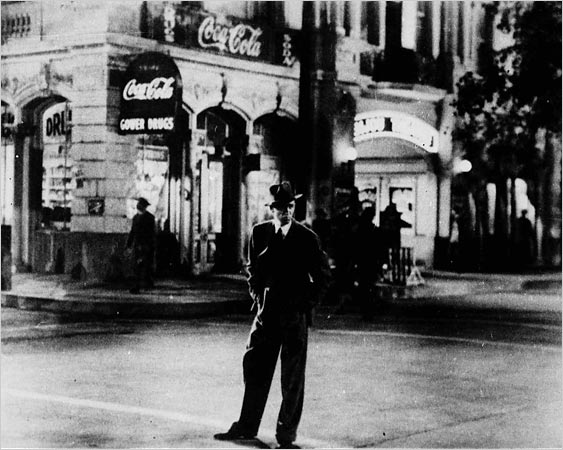
It's A Wonderful Life
Working in the advertising business, I get plenty of jeers from my friends and family around the holidays for my role in the commercialization of the holidays. I must admit, that even I at times wish the holidays weren’t so crass and commercial. That was until I watched the holiday classic, “It’s a Wonderful Life” with Jimmy Stewart.
No. It wasn’t Clarence. Or the sweet Mrs. Bailey and her love for her husband. Or even ZuZu and her precious little smile that changed my mind.
It was a beautiful act of good old-fashioned brand logo placement that changed my downcast world view that modern agencies and their brands are to blame for the commercialization of the holidays.
The scene happens during the part when Jimmy Stewart’s character is running through the main street of Pottersville. On either side drinking and dancing establishments flash their attractions and burlesque shows offer a peek at a titillating sight. On the left hand side of the street, just up a bit, you will notice a huge, lit Coca-Cola sign on which the camera stays just a bit too long. The sign actually competes for frame a bit with the hero!
Now, I don’t have any proof that agencies and brands were deliberately placing product logos in front of susceptible viewers eyes back then, but I would wager it wasn’t placed there on accident. (I also have an inkling that Macy’s department store may have had to grease a few palms to score it’s starring role in “Miracle on 34th Street”, but can’t prove that either.) You can call me cynical all you like, but at least I wasn’t the one to start capitalizing on the holiday cheer to promote a brand or make a quick buck.
Now I’m not saying that advertising during the holidays is bad or makes you into a mean old Mr. Potter if you do choose to grab some sales amidst the holiday cheer. Just let’s agree here and now to keep it genuine and classy and not succumb to all this commercialization.
So what’s my advice to rise above the commercialization of the holidays? Stay away from an overabundance of jolly ol’ Saint Nicks, snowflakes, Christmas trees and red ribbons. Rise above these tired clichés and your ads will soar high above the din and clang of the grubby merchant stalls and mountains of free standing inserts like a bright, shining star over a tiny village with a manger.
On behalf of everyone here at the Accelerator Companies,
Merry Holichriskwanhannukamas everyone!
www.resultsdriven.infoIt’s 10 p.m. on Saturday night. Do you know where your shopper is?
www.resultsdriven.info
You have no excuse not to with today’s dramatically informative market research methods, which encompass everything from old school surveys to secret-agent-caliber equipment. The market is changing, and market research methods are changing right along with it. They are evolving into increasingly shopper-focused, in-store-oriented techniques… because at-retail is the new mass medium.
Let’s take a look at the cutting edge.
1.) In-store ethnography. Given the importance of in-store marketing, market research to test its effectiveness should happen in the store. Surveys might prove helpful, but in-store observation bypasses the dishonesty and bias that might taint the effectiveness of surveys. Plus, why ask shoppers how they shop when you can literally watch them do it, and possibly ask them to take your survey when everything is still fresh in their minds. Odds are good that if you ask a consumer in the salty snacks aisle their snack packaging preferences they will provide you with a LOT more information than a consumer sitting in a conference room trying to remember. This type of research is critical for those who work on point-of-purchase displays.
The term “ethnography” refers to anthropological research centered on gathering scientific descriptions of cultures. In the context of market research, it refers to researchers who observe consumers in their “natural habitats” and compile detailed descriptions of what they are doing. If the ethnographer is only there to observe, he or she will visually record, take notes, or record a quiet spoken description of behavior, like Animal Planet hosts focused on humans interacting with brands. If the ethnographer is there to observe and then survey, he or she will approach the consumer once they’ve finished their business in the aisle and ask them a series of detailed questions, piecing together a combination of demographic data, quantitative rankings, and qualitative descriptions of the respondents’ thoughts and feelings. Ethnography is complex, but if done properly it is immensely rewarding.
It is also more powerful than ever thanks to brilliant advances in technology; consider the secret chest-mounted cameras used by Actionspeak and the hand-held computers used by SmartRevenue ethnographers to administer discreet, “create-your-own-adventure” interviews.
2.) Virtual retailing. If you are considering an innovative new store layout, point-of-purchase display, or other potentially costly element, you can now watch consumers interact with it before investing money in installing it in stores. Cutting-edge researchers are now creating smart environments that simulate an actual environment while invisibly gathering valuable data on consumer behavior within it.
Fifty percent of all purchasing decisions are made in the store – do you have the intelligence you need to influence that statistic in your favor?
It’s 10 p.m. on a Saturday night. And somewhere, someone else is watching and learning from your consumer.
Don’t be left out. Necessity breeds invention, and in these difficult economic times market research has been anything but dormant. Now is the time to take advantage of these trends and invest in your brand in a serious, laser-targeted way.
www.resultsdriven.infoWhat Happened in Vegas… Should Happen to You
www.resultsdriven.info
You’d certainly expect to see some exciting sights in America’s playground, and the At-Retail Team here at Accelerator did just that in Las Vegas this past week. We couldn’t have been more enthralled by what we encountered at the 2008 In-store Marketing Expo: groundbreaking research, true innovation, and the chance to spend some quality time at the feet of the store honchos from Walmart and Kroger.
Over the next few weeks we’ll be paying out the jackpots of information we’ve won for our clients. We’ll share insights on merchandising trends, innovative materials, and substantive research that is changing the ways marketers develop products and the ways retailers will sell them.
But for now consider the following facts:
- This year Fox’s highest-rated television show, the American Idol Finale, received one of the highest ratings on television with 35 million viewers.
- This may seem like a significant number, but to put it into perspective 150 million people shop at Walmart each week. What’s more, 86% of the entire U.S. population shops regularly at Walmart, according to Walmart’s figures.
The point: The marketing climate is changing. Brand marketers must realize that “at-retail” is now a mass medium unto itself!
Why do so many brand marketers continue to waste their money on dinosaur mediums? In light of the above facts, only they can answer that.
Moving forward, each brand is going to have to “up its game” and treat at-retail as a mass medium. Brand marketers who want to win the aisle wars will have to increase in-store spending, research, engage in shopper-focused marketing, and provide category leadership to set themselves apart. It’s going to get very vicious out there, but the brands that take action now will have the advantage of defining the game.
As more of our findings become ready to release, we’ll be sharing them with you. Until then, keep an eye out for all the new technology, video, and sound that will be hitting the shelves shortly!
But more about that later.
To see more about how Accelerator helps brands and retailers work together in a collaborative way, click here.
Thursday, January 29, 2009
Finding and Launching THE IDEA
www.resultsdriven.info
If you’re a marketer there’s possibly one time and one time only in your entire career when THE IDEA will come into your life. You know – THE IDEA that will put game-changing points on the board, move the needle, and make your career.
If you’re a marketer there’s possibly one time and one time only in your entire career when THE IDEA will come into your life. You know – THE IDEA that will put game-changing points on the board, move the needle, and make your career.
You know the kind of idea I’m talking about – the kind of fresh, share-stealing, eye-popping idea that makes everyone in your department, division, company and industry stand slack-jawed in AWE and enviously murmur in their minds, “I wish I would have thought of THAT.”
I am talking about the kind of idea that puts YOU on the map, lets you write your own ticket, and helps you make your career. Success as you’ve known it to be will pale in comparison to the success you know when THE IDEA is put into action on your brand. This IDEA is so big it will require its own special budget, which they will give you… willingly.
If you’ve experienced THE IDEA, you know to what I’m referring. If you haven’t, then you’re probably sitting in your chair wondering how to go about getting your very own IDEA.
Here’s how.
1. Be prepared. Know your market. Know your brand. Read all you can about the market you’re operating in. Follow trade journals, read press releases, go to conventions, know your market inside out. Then study the impact your brand has on that market.
2. Become your target. Shop where she shops. Dine where she dines. Read what she reads. Watch the programs she watches. Soon enough you will see opportunities to connect with her in ways you’ve never thought possible, and ways to improve your product for her no one else has imagined.
3. Be open to new ideas. If your agency strategist recommends an unproven path, consider it. If a cabbie tells you he thinks he has an idea for a better widget, listen to him. Great ideas come from everywhere if you’re willing to listen. Remember, you’re only an expert in your market – not in everything.
4. Be ready to capture all of your thoughts on a notepad, PDA, voice recorder, napkin, whatever. Often THE IDEA won’t appear all once, but in small parts and pieces.
Congratulations! THE IDEA is on its way!
OK, so what happens now? When THE IDEA comes, don’t tell anyone right away! Of course you’re excited. It’s THE IDEA, after all. You’re pumped. You’re jazzed. But now is not the time to disclose THE IDEA. You first must explore it further. Study it. Try to sink it.
Get your facts down, understand the barriers and the rewards of THE IDEA. This is no time for team sharing, committees, or allowing glory-grabbing upperclassmen to steal it away from you. This is the time to keep quiet and document your progress every step of the way.
After that, make THE IDEA presentable. Make it into a formal business case. When you are ready to announce it, THE IDEA should be solid, comprehensive, well thought out… and yours.
Ready to make your mark on the world now? THE IDEA is out there waiting for you – now go get it!
Friday, January 16, 2009
About Accelerator’s New Look…
www.resultsdriven.info
You may have noticed that Accelerator has a fresh new look! But before we can tell you why, we have to tell you how we’ve gotten where we are today.
It’s been over six years since the Accelerator Companies launched out amidst the devolution of the traditional ad agency models. Where big media once dominated, new channels of reaching people opened. Clients split duties of creative, planning, and media, causing the slow, dinosaur agencies to watch their accounts vanish before their eyes. Suddenly, the new guys on the
block, like Accelerator, were capable of out-running, out-pacing, out-thinking, and most of all, out-creating these advertising giants.
It was scary for us at first. Starting a new agency meant starting from scratch. No clients. No capital. Not even a coffee maker to brew a cup of inspiration. But we knew that by listening, instead of frantically doing, our new agency would become something unique and valued in the marketplace.
To that end, we set up a series of interviews with lead corporate marketing pros to research and to let vent their frustrations — frustrations specifically regarding failures and disappointments that their world-class clients faced when dealing with the traditional agency model.
After hearing their many hair-raising stories and taking note of their sage advice, Accelerator set out to create something that had never existed before: an agency without account executives, layers of V.P.’s, and endless stacks of paperwork. And if you can imagine, an agency without egos (which is why there are no individuals singled out in our marketing materials, websites, or any place else)!
Gone were the account executives that merely took orders. We brought on clever, innovative, and problem-solving PEOPLE who had ideas and who would contribute to making the project successful. These versatile heroes were, and remain to be, recruited from outside the normal channels. By choosing to value life experience, idea generation, and empathy for the client instead of book smarts, Accelerator and its clients benefit from people who are proven to be streetsmart, quick to learn, and incredibly insightful and intuitive.
Our Creative Service teams replaced the old way of one key contact per client. Instead, we integrated creative and account people, who would work together, and would –gasp– meet the client together. This flat, streamlined model proved to be more efficient, allowed the client to address both business and creative concerns in one meeting, and best of all, inspired new thinking. Better yet, it provided the shot of enthusiasm that clients need in the middle of a dreary day.
Traditional office space was replaced with open studios featuring huge, opening bay doors to let the sunshine in. A focus on the work instead of fancy furniture and gleaming atriums allowed, and still allows us, to keep our outlays low, resulting in lower fees for clients (and many repeat projects for us).
Our work patterns were changed as well. This was all thanks to the new, streamlined model and new ways of project management and open communication that were developed to provide fast, accurate turn-around that, in the end, would save clients money. Not to mention our results-driven philosophy that ensures that our projects boost the bottom-line and move the numbers.
These and many other innovative changes have and are proudly making Accelerator the fastest-growing ad agency in the Midwest. And we’re just getting started…
Accelerator is again proving to be a game-changer by focusing on brand and retailer collaboration, consumer engagement and exchange, and partnerships with clients. Our focus is to grow beyond a service provider and to become an integral part of our client’s marketing and business practice. We wish to challenge their thinking and bring them unheard-of solutions thanks to our Pure Idea problem-solving.
So, why the new look? To continue the momentum, and reflect the bright future for our clients and ourselves, Accelerator is rolling out a fresh, new, visual look that is open and airy, free-thinking, and mirrors our open-minded approach. It is a look and mind-set that will continue to effectively produce winning creative, strategy and execution time and again.
When we launched Accelerator, we created the agency of the future. And now, our vision for the next future is bolder than ever. Our new look reflects that. And our new thinking, Pure Ideas, and fresh new approaches all represent our total commitment to our client’s better bottom-line today, tomorrow, and well into the future.
Author: Mr. Timo Matero, CEO and Director, Accelerator Advertising, Inc.
www.resultsdriven.info
Why You Should Advertise MORE in a Downturn Economy.
Legendary ad god David Ogilvy said, “I avoid clients for whom advertising is only a marginal factor in their marketing mix. They have an awkward tendency to raid their advertising appropriations whenever they need cash for other purposes.”
As an agency founder and industry leader, I can attest to the veracity of that statement. As soon as sales slump, forecasts go south, and stock values decline, many of our clients tend to raid the advertising war chest in an effort to spread the wealth around their overall budgets.
While this maneuver may seem to make sense in the CFO’s office, it brings dismay and disaster down the hall in the CMO’s. I can hear it now: the CMO looking at the “spending cut” memo and thinking to himself, “So after two years of raising our profile, generating momentum, and capturing market share, we’re pulling to the wayside and let our competitors who ARE advertising zoom right by. How much will it cost for us to catch up and take the lead…. again? Just brilliant!
Here’s a few compelling reasons why companies should advertise MORE in a downturn economy, not less.
1. Your competitors may be pulling back on ad spending and efforts. This means you will gain an edge in the market without adding the extra dollars it would take in a good economy.
2. Because ad spending by the big companies is down, mediums are forced to drop rates accordingly. Newspaper ad revenues are plummeting; cable and broadcast TV media rates are becoming softer; even digital and mobile ad revenues are being affected. It’s a buyer’s market!
3. Because your ad dollar will go further, now is the time to try allocating funds to newer mediums and testing new platforms.
4. Advertising in a downturn economy bolsters your brand thanks to less noise in the market place.
5. Your brand has an incredible opportunity to relate to, and engage with, your target in a lifestyle affinitive way. Consider Walmart’s Save Money, Live Better campaign that puts their price value at the core of the audience’s aspirations.
To sum it up, the old adage still rings true: “In good times advertise, In bad times, advertise even more.”
PS: And for you cynical types out there, Accelerator is a media neutral agency that receives no commissions for planning or placing media. In fact, we obtain the agency discount and pass that allowance on to our clients. This allows our agency to make non-biased media recommendations and focuses the client’s dollars on getting results, not getting us rich.
Author: Mr. Timo Matero, CEO and Director, Accelerator Advertising, Inc.
www.resultsdriven.info
What Advertising Lacks Today and Why So Many Agencies Miss the Mark
When the founders of Accelerator started out in business, it wasn’t to make a fast buck. They knew that it would take years, maybe even decades of providing a higher level of client service, delivering bankable results, and foregoing fast cash in order to always provide a better bottom line to clients instead of themselves.
Recognition and awards were placed low priority; sacrificing time, energy, talent, and yes, even billings (whether clients recognized it or not) became the working model much to the dismay of Accelerator’s founders, bankers and families.
An example: When agencies across America were gouging gullible clients for designing and programming complex and often times laughably monstrous websites, Accelerator recommended that its clients create appealing, simplistic websites without the bells and whistles, because our research showed that while web visitors were amused by flashy intro pages and animations, the real reason they were visiting the website was for content, not entertainment. Thus, our recommendations to start small, focus on great content, and worry less about the flash were solid. Our recommendations saved our clients money and provided a level of client satisfaction and loyalty that no amount of programming billings could buy. In fact, most of the early websites we designed for our clients eight or nine years ago, still look and feel as if they were done yesterday and still draw many positive visitor comments.
Timo Matero and Marc Obregon believe in the virtues of hard work. They believe that slow and steady wins the race. And that results for the client and community are more important than a corner suite of glimmering high-rise offices.
Here at Accelerator, we believe that today’s advertising players lack a sense of history and no role models to pattern their professional pursuits. There is no anchor for ethics, virtues, or morals for many of the current advertising firms. Leadership is lacking in the boardroom all the way down to the junior who thinks there is nothing wrong with browsing Facebook and texting friends all the day long while client change requests pile up. They miss the importance of the fundamentals, and so miss the mark.
Tsk. Tsk. Tsk. Accelerator thinks our industry can do better. We ask them to follow our lead. Forego media commissions in lieu of planning fees. Look for ways to partner with clients in a revenue sharing option. Scour talent from outside the usual avenues. Do what you say you will, and have it ready when you said you would at the price you estimated. Is it really that hard? Apparently it is. Perhaps that is why so many world brands engage Accelerator to become a creative services partner.
We thought that you might like to know who some of our role models are who inspire everyone of us here at Accelerator Advertising (research thanks to www.advertisinghalloffame.org):
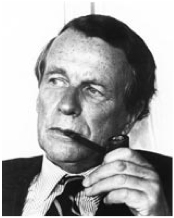
David Ogilvy
Arguably advertising’s most successful ad man. His influence on modern marketing been so large that Advertising Age called him “one of the greatest creative minds in the advertising business,” and Time recognized him as “the most sought-after wizard in the advertising business.”
Successful campaigns for Hathaway Shirts, Rolls-Royce, Schweppes and others made Ogilvy an international ad powerhouse. And with such a reputation he had many credits for being first. The first foreign advertising agency to gain access to the Soviet Union, and was the first major agency to implement fee-based compensation.
Ogilvy authored books that became classic texts and must reads for any one involved in advertising. Ogilvy dedicated his talents to the arts as a director of the New York Philharmonic, Chairman at Lincoln Center and as a trustee of Colby College.
Elected to the Copywriters Hall of Fame in 1963, made a Commander of the British Empire by Queen Elizabeth II in 1967, and honored as Officer of the Order of Arts and Letters by the French government in 1991.
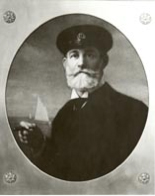
J. Walter Thompson
Pioneered many of the agency practices and procedures that serve as the foundation of the modern advertising industry. Some examples include media billing, testimonial ads, the use of demographics and the behavioral sciences. This scientific approach transformed advertising, marketing, and business on a global scale.
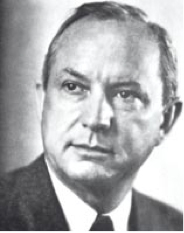
Raymond Rubicam
Revolutionized advertising by using research to create marketing messages that “mirrored the reader”. Donated much of his company’s time and resources to the WWII efforts in order help win the war at home and abroad.
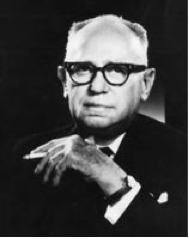
Leo Burnett
With a career spanning 56 years, Burnett’s achievements are legendary. He started his own agency in 1935 at the depths of the Depression and saw it grow into the fourth largest agency in the U.S. and the fifth largest in the world. He developed a variety of advertising concepts, including “getting noticed naturally, without screaming and without tricks.”
Burnett received many awards and worked tirelessly on many civic projects. He received honors for accomplishments in wartime advertising in 1945 and for work with the Freedoms Foundation in 1949. He directed the nonpartisan Register and Vote Campaign for the Advertising Council and was given the Special Merit Award by the New York Art Directors Club and was co-recipient of the Annual Gold Medal Award. Despite his monumental contributions to the advertising industry, Burnett still made time for public-service projects that changed people’s lives.

John Caples
The famous copywriter and developer of the Caples Formula whose mail-order advertising skills earned him a place in advertising history. Caples developed new methods of testing advertising by using scientific techniques that he outlined in four books he had written. His belief that simple words can be powerful words, an emphasis on the importance of headlines and a focus on directness also characterized his approach toward copy that was intended to sell and get results.
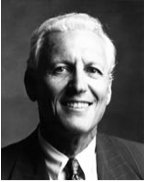
Jay Chiat
Co-Founder Chiat/Day - Chiat introduced account planning to the United States and believed that the working environment had a substantial impact not only on the creative process but also on overall agency management. His belief in “architectural management” led him to create the first “virtual office” where award winning creative campaigns for Apple, Energizer, and Reebok were conceived.
Chiat also became a leader in community welfare, the environment and the arts. He was one of the founders of the Advertising Industry Emergency Fund and donated more than $300,000 to fund training and internship programs such as the Los Angeles-based Minority Advertising Training Program to encourage minority opportunities in advertising. Chiat also supported the agency’s pro bono work for clients such as Art Against AIDS, the Pediatric AIDS Foundation, Heal the Bay, the Homeless Coalition and the Blind Children’s Center.
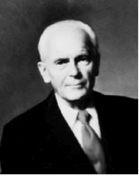
Raymond Mithun
Co-founded Campell-Mithun at the age of 23 and provided the far reaching vision and setting of benchmarks for almost every advertising agency thereafter. Mithun’s personal credo is among the reasons for the growth of both the agency he co-founded and the ad industry as a whole. “You’re put here to do a job and the job’s the boss,” he said. “We’re here to help other people be productive and to leave the world a better place than when we came in.” Mithun founded numerous schools and scholarships for the betterment of the arts and the world.
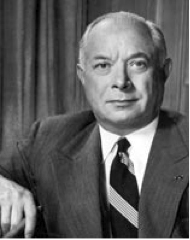
David Sarnoff
Almost single-handedly created the modern radio and television media outlets. Instrumental in the creation of RCA, NBC, and many other outlets. Recognized by Time Magazine as one of the 20th century’s most influential people. Served America in the theaters of WWII by creating and implementing electronic news coverage for D-Day and the liberation of Paris.
But what about Timo Matero and Marc Obregon?
Well their careers are just about half way through by now. Will they be listed among these great leaders? Only time will tell.
But you can be assured they share these leaders’ solid commitment to clients, community, and ethics.
“People that squander opportunity shouldn’t be given any,” says Timo Matero. “You give Accelerator an opportunity to make you look good, and boost your bottom line, plus help people in the process, and we’ll do whatever it takes to make that happen.”
Author: Mr. Timo Matero, CEO and Director, Accelerator Advertising, Inc.
www.resultsdriven.info
Subscribe to:
Comments (Atom)
